HEU‑EFS at HTAi 2026: Advancing Patient‑Centred Innovation
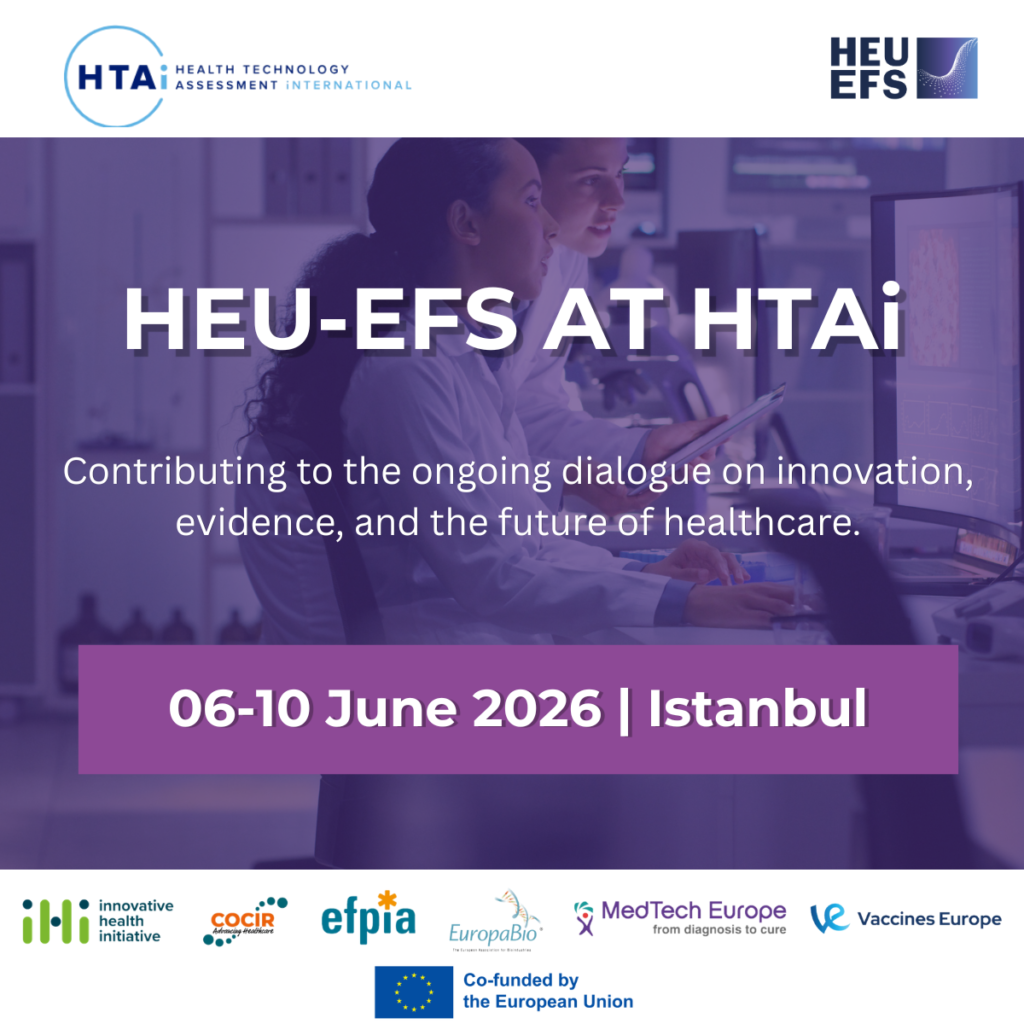
From 06–10 June 2026, the global Health Technology Assessment (HTA) community will gather in Istanbul for HTAi 2026, an important moment to reflect on how innovation is evaluated and brought into healthcare systems.
At this year’s conference, HEU‑EFS will contribute to the discussion by focusing on one key question: how can Early Feasibility Studies (EFS) better serve patients across Europe?
Early Feasibility Studies are a crucial step in the development of innovative medical devices. Yet across Europe, approaches to EFS remain fragmented, making it harder to generate consistent evidence and ensure timely access to new technologies. The work presented by HEU‑EFS, in collaboration with the European Patients’ Forum (EPF) and Global Heart Hub, explores how a more harmonised and patient‑centred approach can help address this challenge.
A central element of this work is the active involvement of patients themselves. Through a dedicated Patient Advisory Group, individuals and caregivers across different disease areas have contributed their perspectives on how EFS are designed, communicated, and experienced.
Their input highlights a clear need for:
- more accessible and transparent information
- stronger communication throughout studies
- and greater support for participants
By bringing these insights together, the initiative proposes a more structured and inclusive approach to EFS, one that not only strengthens evidence generation but also ensures that innovation better reflects real patient needs.
Ultimately, this work goes beyond individual studies. It contributes to a broader shift towards more trustworthy, inclusive, and effective healthcare innovation in Europe, where patients are not just participants, but active partners in shaping the future of medical technologies.
Stay tuned for updates from HTAi 2026 and follow how HEU‑EFS is helping drive a more patient‑centred approach to innovation.